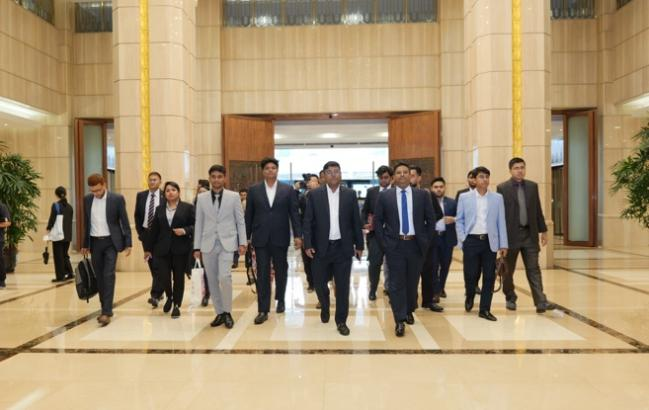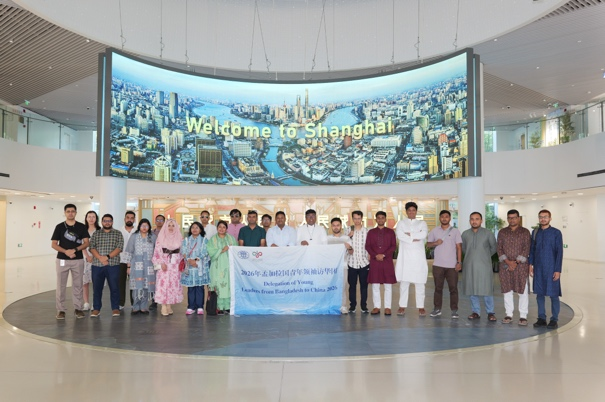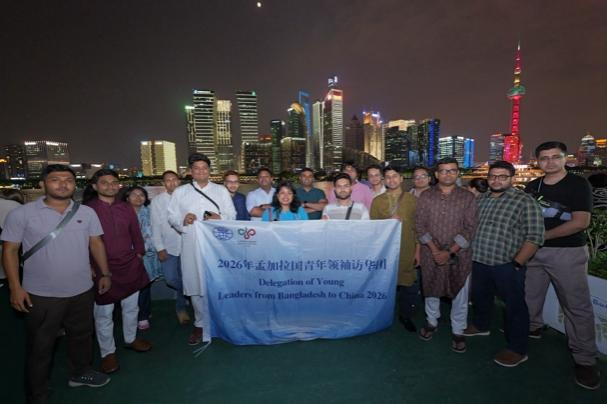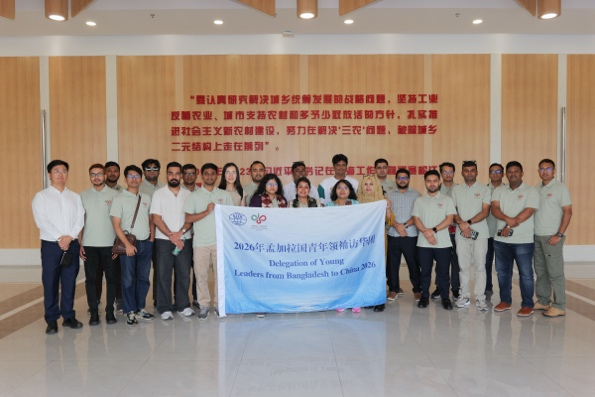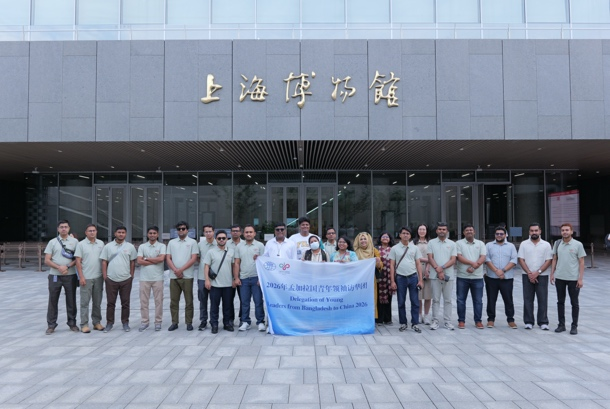
On June 23, 2026, the Delegation of Young Leaders from Bangladesh to China arrived in Shanghai from Yunnan, kicking off the three-day Shanghai leg of their visit and exchange program.
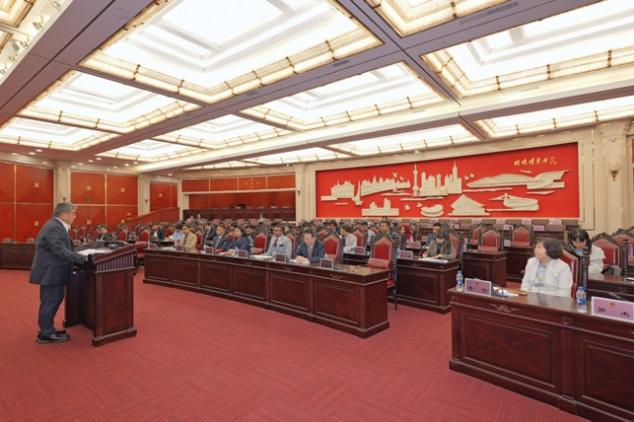
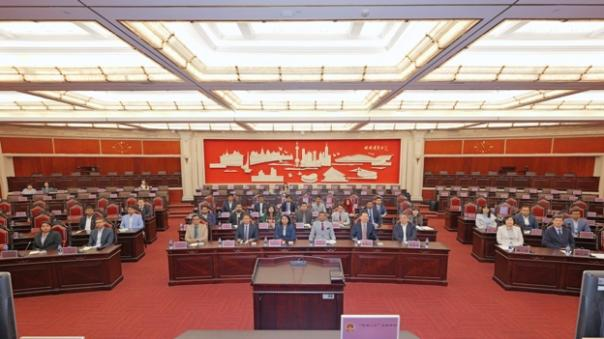
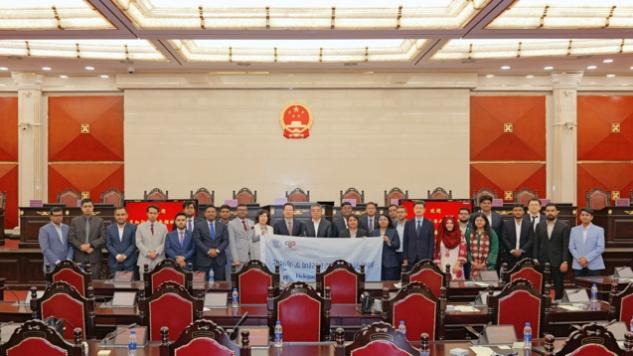
On the morning of June 24, the delegation visited the conference hall of the Standing Committee of the Shanghai Municipal People’s Congress (SMPC). Wang Zhiping, Vice Chairman of the Foreign Affairs Committee of the SMPC, delivered remarks and engaged in an interactive discussion with the delegates. Wang provided an overview of the SMPC and highlighted Shanghai’s socioeconomic development. During the interactive session, the delegates expressed keen interest in the people’s congress system and the city’s urban development, actively raising questions on topics such as China-Bangladesh cooperation, urban governance, and legislation concerning scientific and technological innovation. Wang addressed each inquiry in detail, helping the delegates gain a deeper understanding of the main functions of the People’s Congress and its Standing Committee, while illustrating how Shanghai practices whole-process people’s democracy through concrete examples. The session was moderated by Fei Jian, Vice Chairman of the SMPC’s Foreign Affairs Committee.
|
图1 |
图2 |
|
图3 |
图4 |
That afternoon, the delegation attended a special lecture at the Shanghai Institutes for International Studies (SIIS) on “China-Bangladesh Cooperation in the Era of Digitalization and Al,” delivered by Professor Yang Jiemian, Chairman of SIIS Academic Advisory Council. Following the lecture, the delegates exchanged ideas with Professor Yang and other SIIS researchers.
图5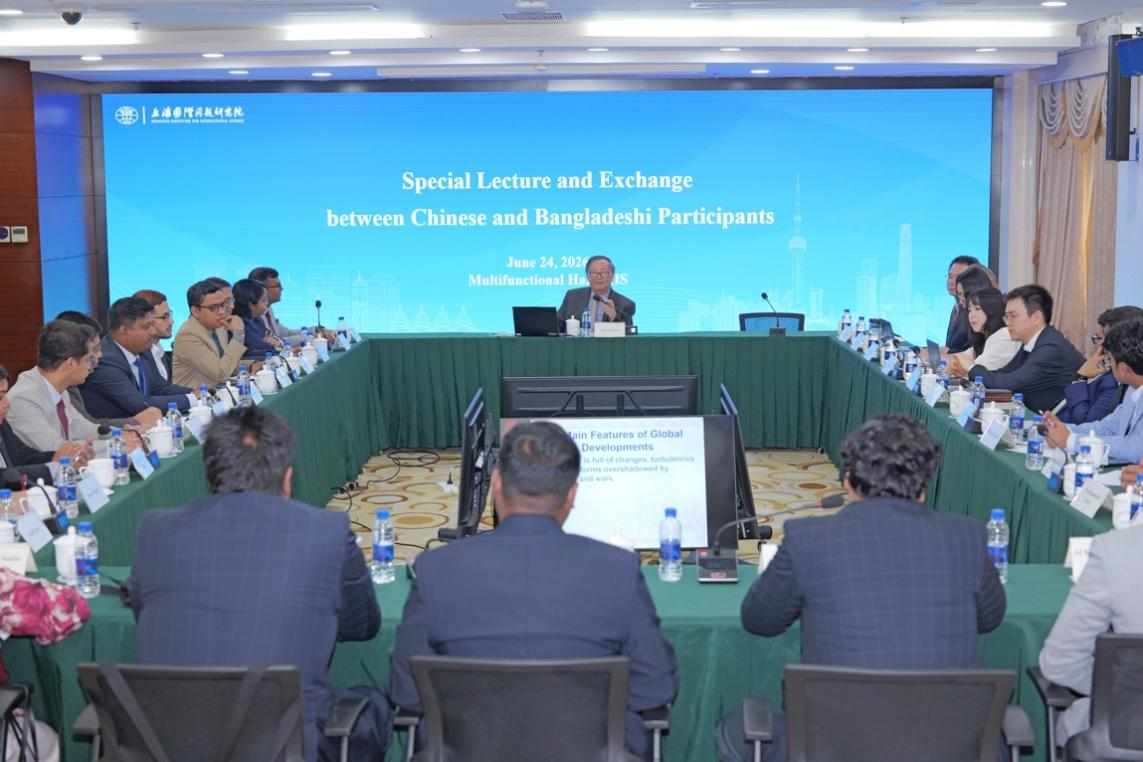
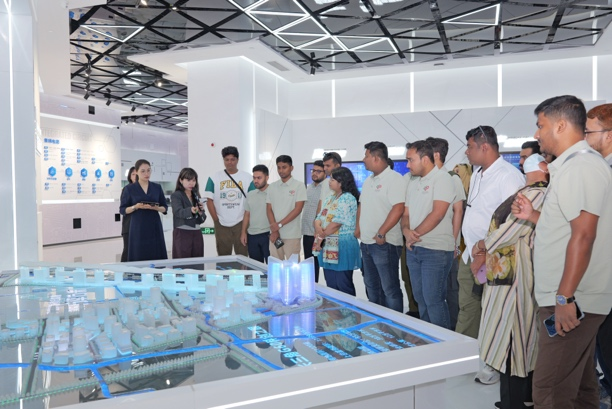
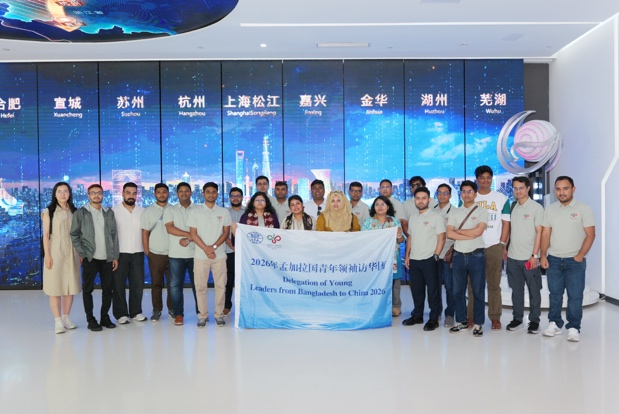
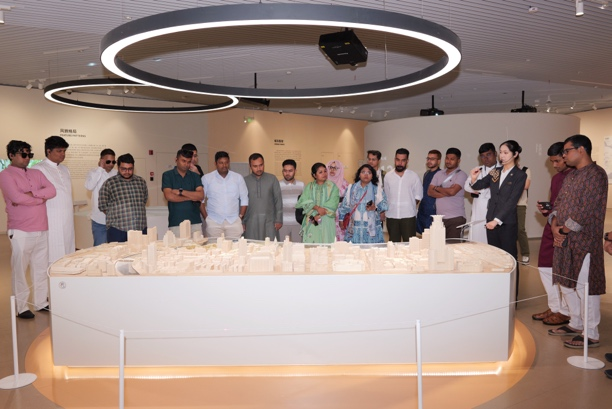
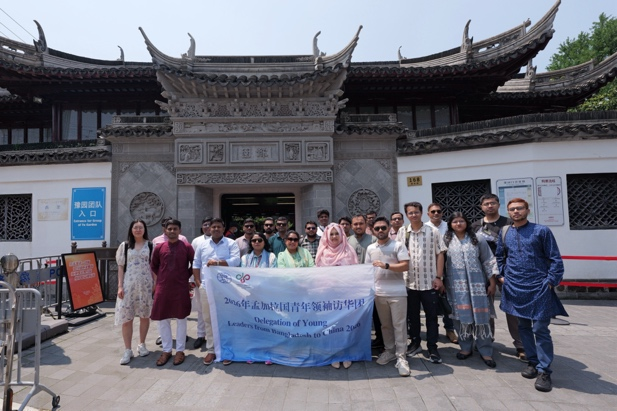
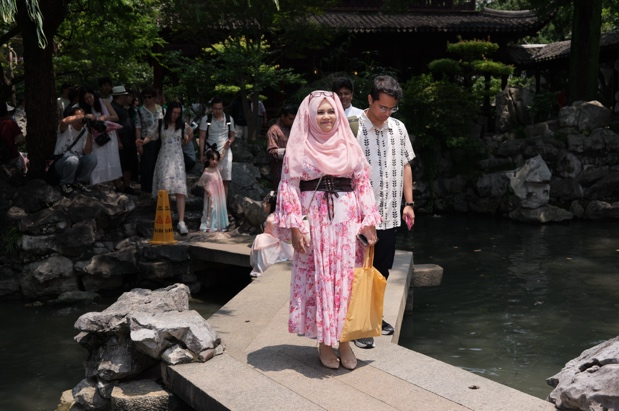
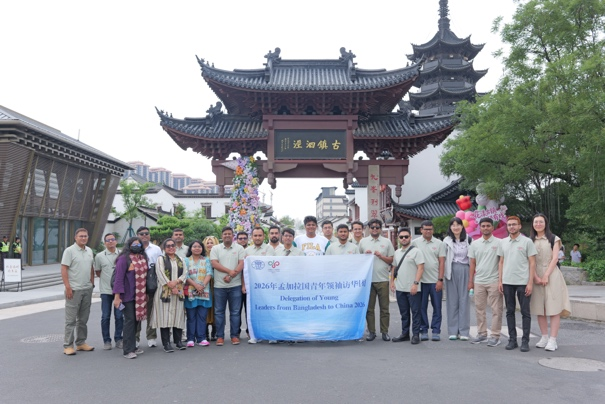
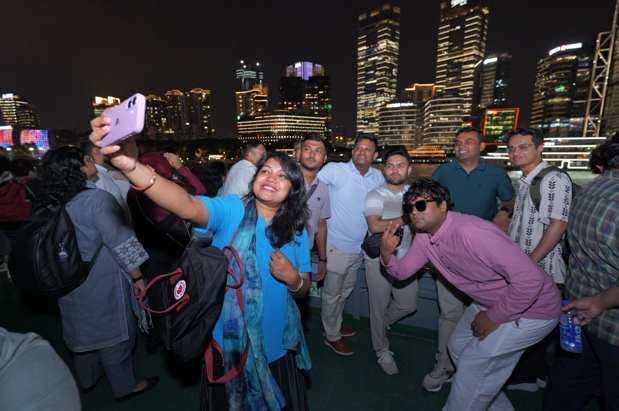
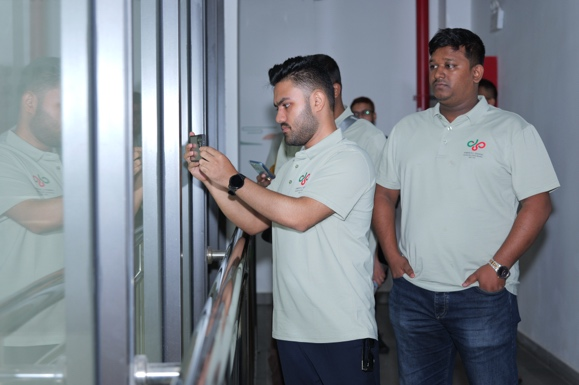
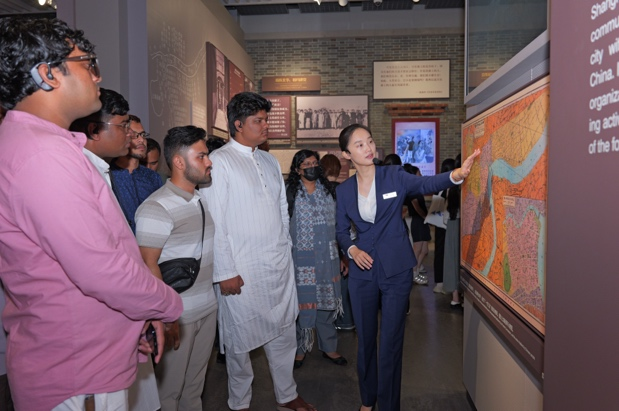
Urban governance is currently one of the most critical issues facing Bangladesh, so the delegation’s schedule included visits to the Planning Exhibition Hall of the Yangtze River Delta G60 Science and Technology Innovation Corridor and the Shanghai Urban Planning Exhibition Center. At the G60 Exhibition Hall, the delegates learned how the Yangtze River Delta has achieved integrated regional development by linking major transportation networks, coordinating and sharing regional resources, and driving progress through the dual engines of technological and institutional innovation. Furthermore, through their visit to the Shanghai Urban Planning Exhibition Center, tours of Yuyuan Garden and Sijing Ancient Town, and a night cruise on the Huangpu River, the delegates gained an immersive experience of Shanghai’s historical transformation and witnessed firsthand the remarkable achievements of Chinese modernization.
|
图6 |
图7 |
|
图8 |
图9 |
|
图10 |
图11 |
|
图12 |
图13 |
|
图14 |
图15 |
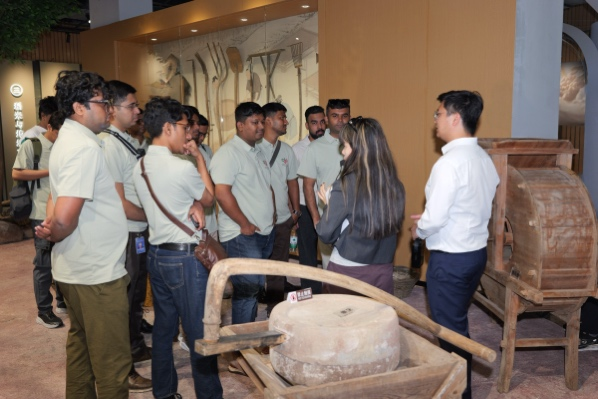
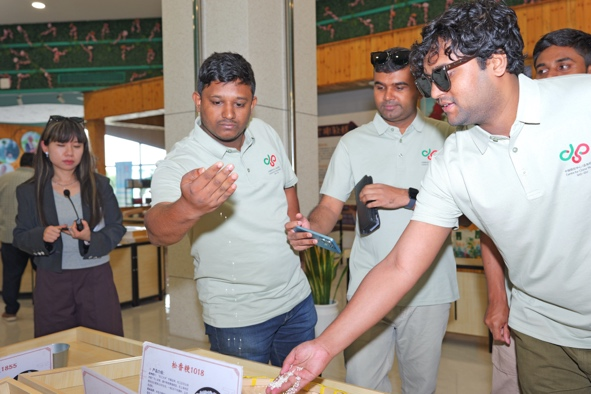
As both China and Bangladesh are agricultural nations where rice is the major staple crop, the delegates also toured the Xiaokunshan Rice Processing Factory in Songjiang District. There, they not only observed large-scale automated machinery in action, including destoners, hullers, thickness graders, and combined rice milling machines, but also visited the Rice Culture Exhibition Hall to explore the rice culture of Xiaokunshan from ancient times to the present and into the future, gaining an in-depth understanding of China’s agricultural modernization and rice-farming heritage.
|
图16 |
图17 |
|
图18 |
图19 |
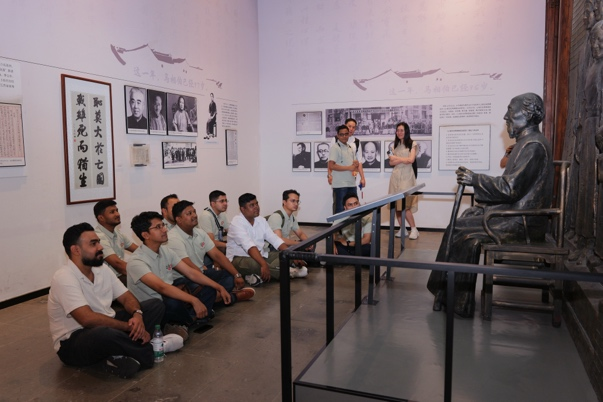
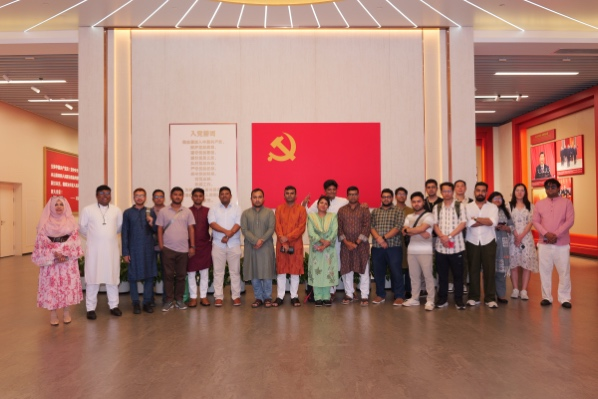
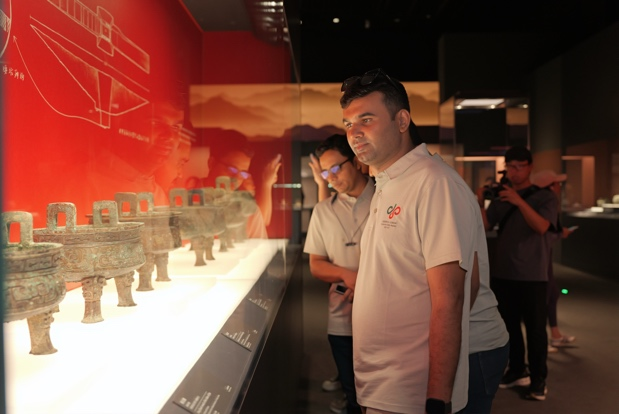
Shanghai is the birthplace of the Communist Party of China (CPC). At the Memorial Hall of the First National Congress of the CPC, the delegates learned about the Party’s founding in the city and its pioneering journey of leading the Chinese people through decades of struggle and progress. In addition, the delegation visited the Shanghai Museum East, where they marveled at the unique charm of China’s 5,000-year civilization while exploring exhibitions dedicated to ancient bronzes, ceramics, calligraphy, and paintings.
|
图20 |
图21 |
|
图22 |
图23 |
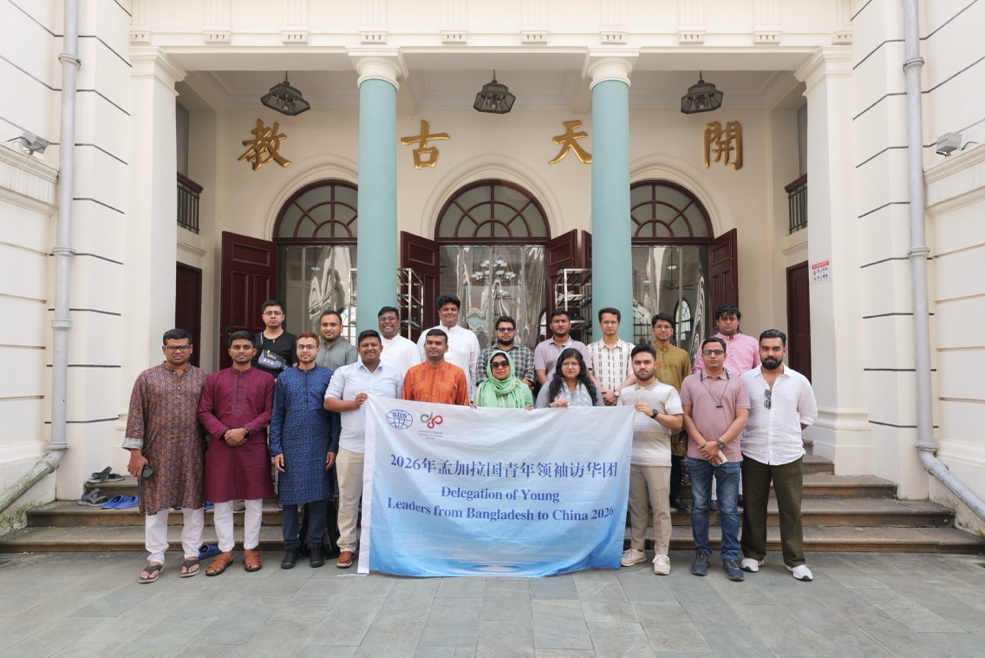
On the afternoon of June 26, the delegation visited the Xiaotaoyuan Mosque for prayers and learned about the mosque’s century-old history. They praised Shanghai’s inclusive spirit, which is reflected in its openness to diverse cultures and respect for different religions.
图24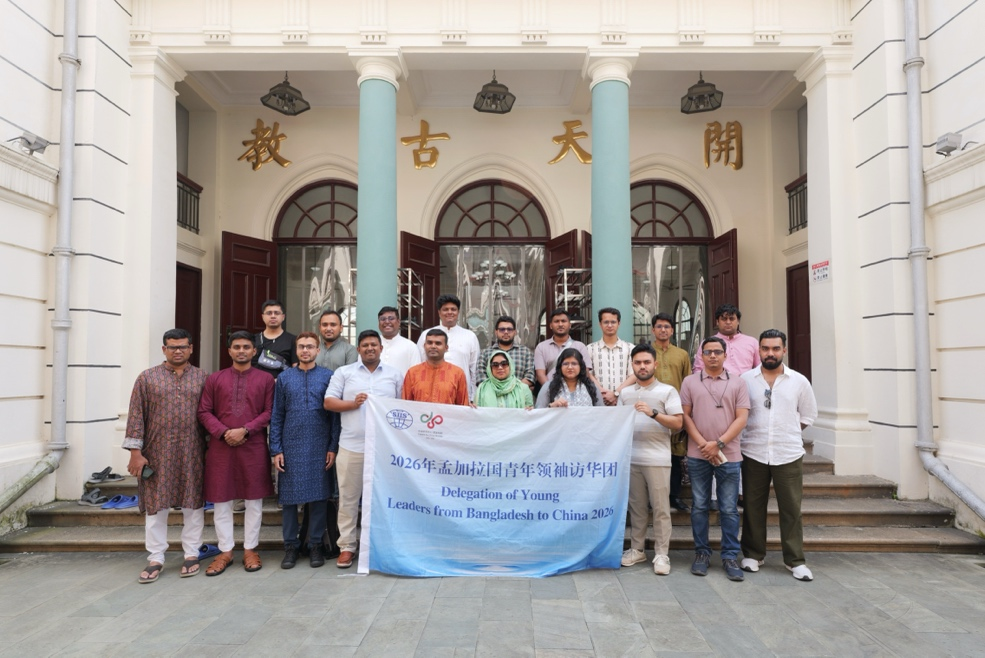
The delegation left for Beijing by high-speed train on June 27, continuing their journey to explore the rich dimensions of Chinese modernization.