
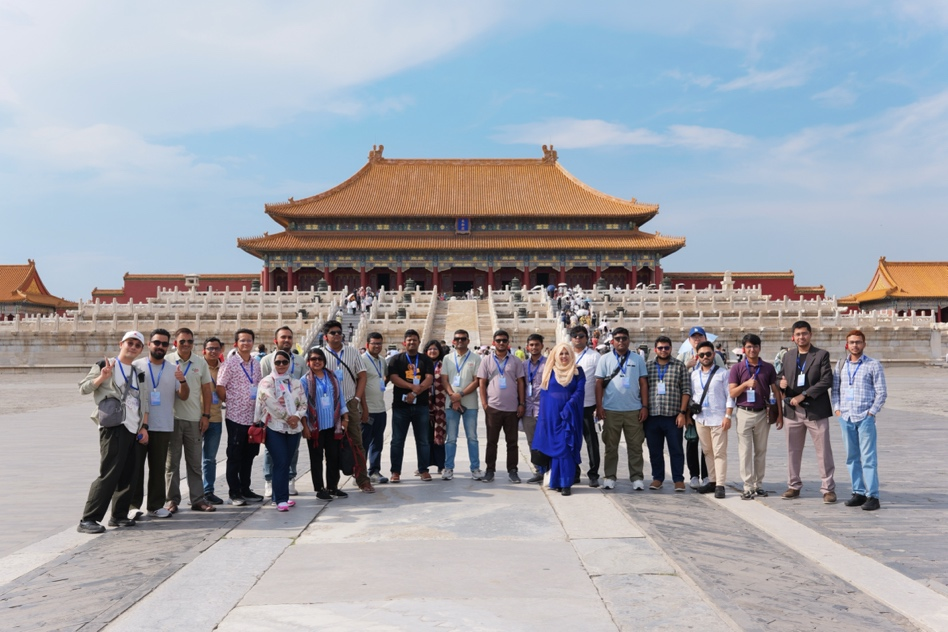
On June 27, 2026, the 2026 Delegation of Young Leaders from Bangladesh to China arrived in Beijing from Shanghai by high-speed train, embarking on the four-day Beijing leg of their exchange program.
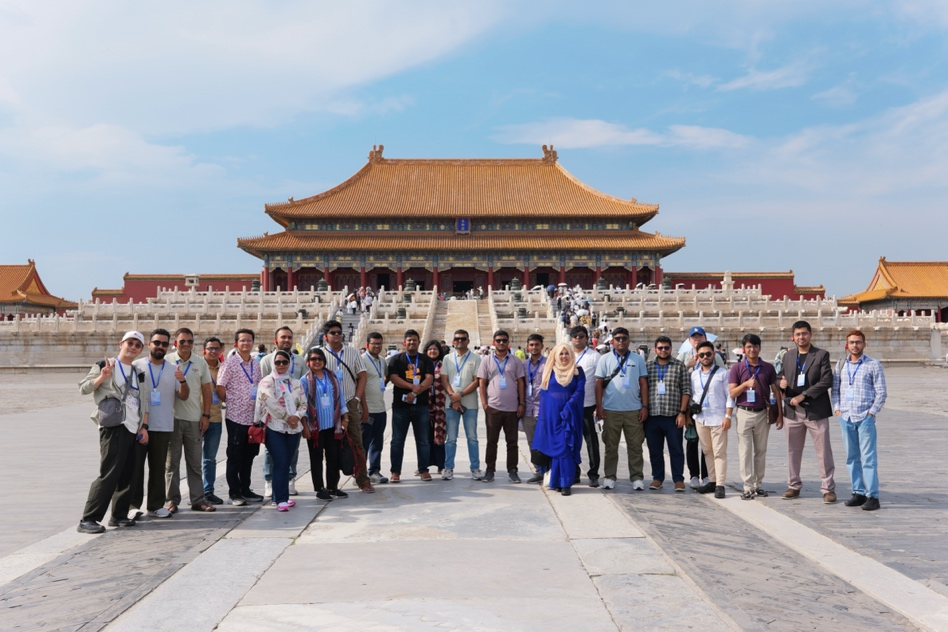
Later that day, the delegation visited the Palace Museum. As a vital symbol of Chinese civilization, it stands as the world’s largest and best-preserved complex of ancient wooden palace structures. Strolling amidst its iconic red walls and yellow glazed roof tiles, the delegates experienced the profound depth of China’s historical and cultural heritage.
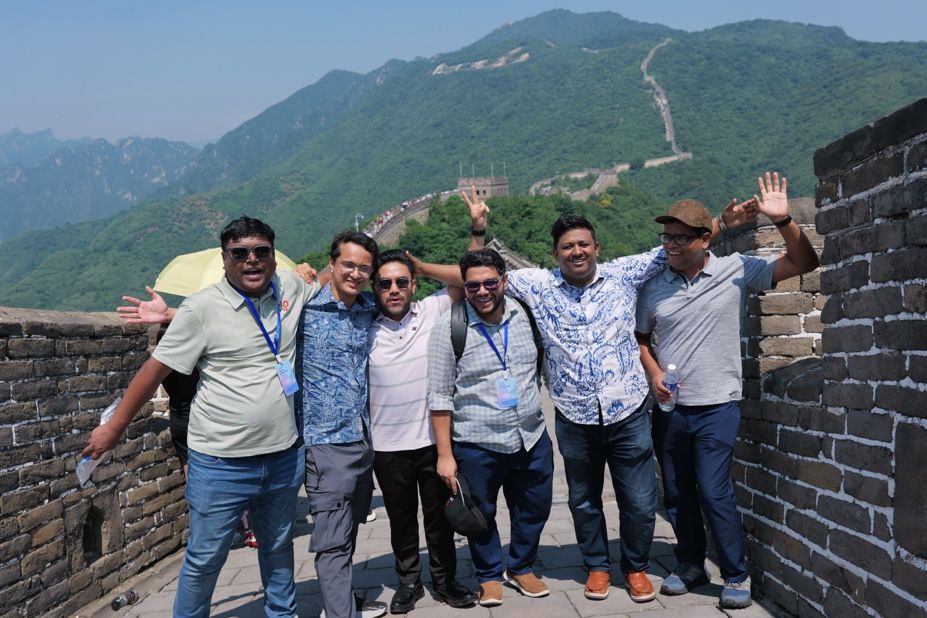
On the morning of June 28, the delegation toured the Mutianyu section of the Great Wall. Walking along the ancient walls winding through the mountains, the members not only admired the breathtaking natural scenery but also gained a deeper appreciation for the resilience and wisdom embodied by the Great Wall.
In the afternoon, the delegation traveled to Sanhe, Hebei Province, to visit a municipal solid waste-to-energy project operated by Sanhe SUS Renewable Energy Co., Ltd. Through an on-site tour, the delegates learned about the fundamental processes of waste incineration, power generation, and pollutant treatment. The facility presented China’s practical application of technologies aimed at reducing, rendering harmless, and recycling municipal solid waste.
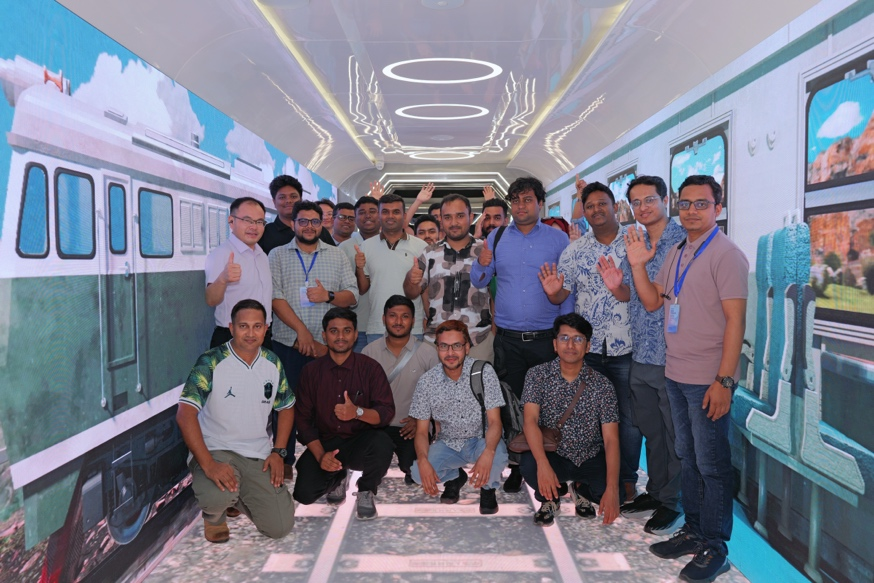
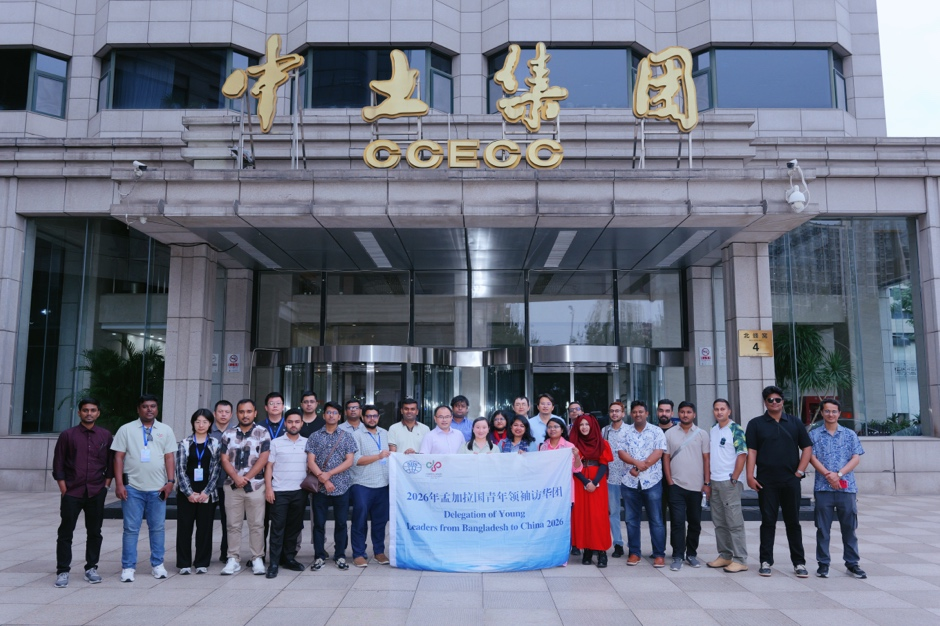
That evening, the delegation visited the China Civil Engineering Construction Corporation (CCECC). Through engaging discussions and presentations, the members learned about CCECC’s evolution from a domestic contractor into an international engineering enterprise with an expanding global presence. The visit reinforced their understanding of how infrastructure development drives connectivity and local socioeconomic progress, giving them deeper insight into the responsibilities and contributions of Chinese enterprises going global.
On the morning of June 29, the delegation visited the PowerChina Science and Technology Innovation Industrial Park. There, they delved into PowerChina’s extensive technological expertise and construction achievements in areas such as renewable energy, water environment governance, and digital development. The delegates widely agreed that China and Bangladesh share immense potential for cooperation in these sectors, expressing hope to forge more pragmatic, results-oriented partnerships in the future.
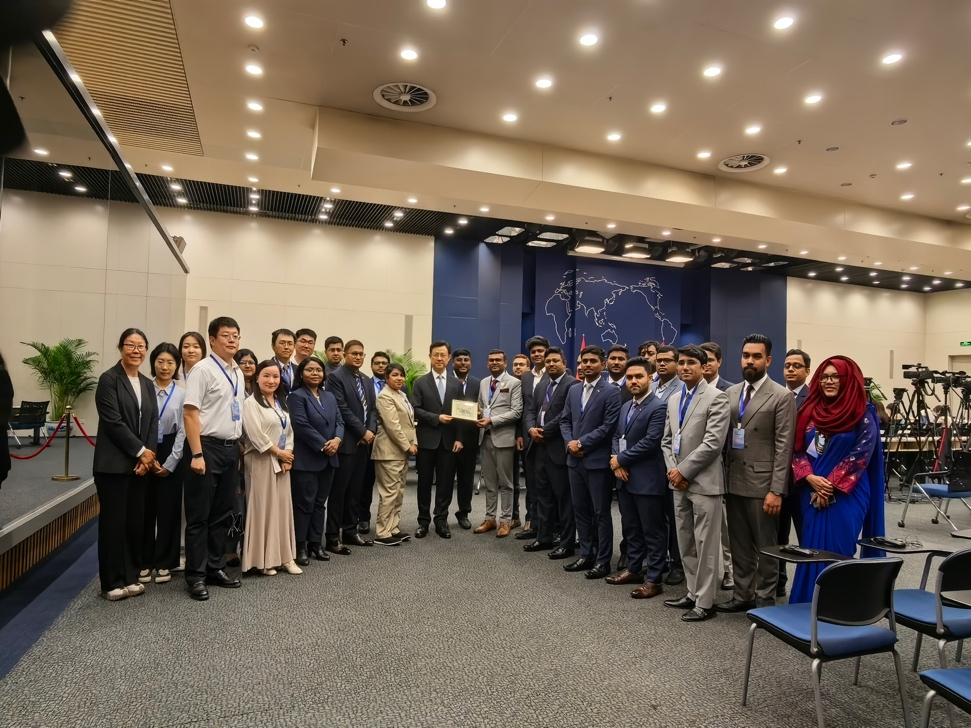
In the afternoon, the delegation visited the Blue Room at the Ministry of Foreign Affairs, where they observed a regular press conference to see firsthand how China conducts its diplomatic press briefings. Guo Jiakun, Deputy Director-General of the Department of Press, Communication and Public Diplomacy, and Bao Zhong, Counsellor of the Department of Asian Affairs, engaged in an interactive discussion with the delegation members.
On the morning of June 30, a closing ceremony for the delegation was held at the Academy of Contemporary China and World Studies (ACCWS). Li Yafang, Deputy Editor-in-Chief of China International Communications Group (CICG) and President of ACCWS, who also serves as the Chinese member of the Academic Board of the Centre for China Studies (Bangladesh), alongside Li Kaisheng, Vice-President of the Shanghai Institutes for International Studies (SIIS), attended the event and presented the delegates with their certificates of completion. During the ceremony, the delegates shared their key takeaways and reflections from the trip. They expressed their commitment to serving as a bridge for China-Bangladesh exchanges, pledging to introduce an authentic image of China to the Bangladeshi people and share their firsthand experiences and insights with the wider public.
Carrying fond memories of their journey and a more profound understanding of Chinese modernization, the delegation boarded a flight back to Bangladesh that afternoon, bringing their successful visit to China to a close.